1:03
It watches your tickets and crash reports, picks up the work, and opens tested pull requests from your own machines, even the ones your team leaves on overnight.
Runs on your machines and your own AI account. No card needed.
Three weeks on a production mobile team, Oct 12 to 30, 2026.
Models can already write the code. Gridbuild gives them what a prompt can't: eyes on your app, a dispatcher that hands out the work, machines and phones to test on, and a memory of how your team builds.
On personal projects, sign in with your Claude or ChatGPT subscription. At work, use your company's API keys, or any model through your own AI router or OpenRouter. You pay your AI provider directly.
You see it working before you read a line of the diff. Leave a comment and it fixes, re-tests and films it again.

1:03
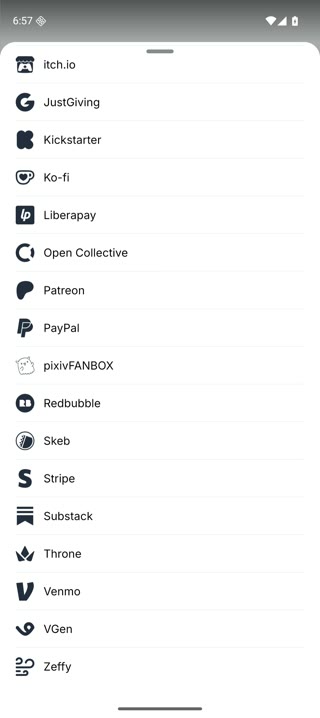
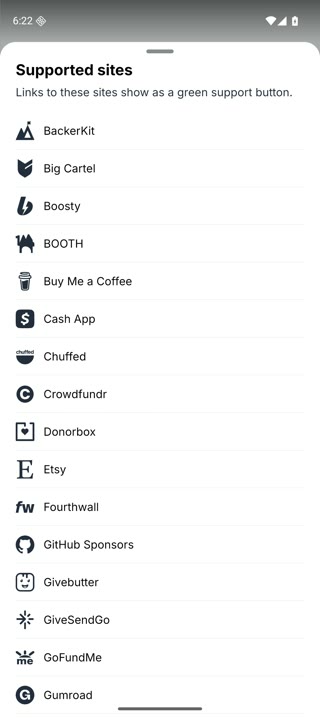
The fix makes sense. Please re-test on Android and attach the after video showing the list scrolling to the last site.
Re-tested on Android and added the after video.1:03
The real pull request from the film, shortened. See it on GitHub
It starts with the tickets that sit for weeks, and takes on more as the models get better.
Example backlog. Redesigns and whole features are coming next.
Each correction becomes a lesson it follows on every run. Your reviews write the file, and you can read and edit every line.
Example lessons file.
Today it runs on one Mac. Coming next: spare Macs, Linux boxes and your team's own Macs after they log off join one grid, and the dispatcher spreads the work across them.
Mobile teams already keep Macs for Xcode. Gridbuild uses the same ones, with your simulators and emulators.
It only goes to the AI provider you already use, on your own account, and you pay that bill directly.
Every AI engineer gets its own simulator or emulator, so none of them wait or collide. Android runs on Linux; iPhone work stays on your Macs.
When someone logs off, their Mac can join. The AI engineer works in a sealed space that never touches their files or accounts, and hands the Mac back when they return. An office in India can work your US backlog overnight.
Works with apps built in Swift, Kotlin, React Native, Expo and Flutter.
Example grid. More machines, and Macs that join after hours, are coming next.
We start with mobile because it's the hardest: it needs Macs, simulators and proof. Every other team is easier.
Bugs, crashes and small features from GitHub, Jira and Crashlytics, fixed on your Mac and proven on the simulator.
Redesigns and new features: it interviews whoever filed the ticket, then builds two or three directions you can try on a simulator. Plus a dispatcher across all your Macs and Linux boxes, and your team's Macs working after hours.
Web and backend teams, hosted Macs and real phones for teams without their own, and a phone app to review and merge from anywhere.
A Mac that can build your app, access to your GitHub repo, and an account with a coding agent. In a pilot, we set it up with you on a call.
The ones that sit for weeks: crashes you can reproduce, layout bugs on one platform, accessibility, copy and translation fixes, and small features with a clear "done". It takes on more as the models get better.
The ones you already use. Claude Code works today, and Codex is next. On personal projects, sign in with your Claude or ChatGPT subscription. At work, use your company's API keys, or any model through your own AI router or OpenRouter. You pay your AI provider directly.
Your repo, builds and simulators stay on your machines. Code goes only to the AI provider you already use, on your own account, the same as when your engineers use it.
You review every pull request, like a teammate's. Leave a comment and it fixes it, re-tests and saves the lesson. Nothing merges without you.
A prompt writes code. Gridbuild runs the whole job around it: it finds the work, reproduces the bug on a simulator, tests on iOS and Android, films the proof, answers your review and remembers what your team taught it, on as many machines as you give it.
That's next. Today it takes bugs and small features. Next, for a redesign or a bigger feature, it interviews whoever filed the ticket, builds two or three directions you can try on a simulator, then builds and proves the one you pick. It takes on more as the models get better.
Linux boxes are coming next, for Android work: each one runs Android emulators for its AI engineers. iPhone work needs a Mac, because the iOS Simulator only runs on macOS.
Testing tools find bugs. Gridbuild fixes them and shows the fix working.
A pilot is a free trial. We set Gridbuild up with you on one of your Macs, and it fixes a real ticket from your backlog. You keep the pull request either way.